

What is Conversion Rate Optimization (CRO) | Guide to Get Started

Every brand today fights for attention. By using advertising and flashy pop-ups. But if those visitors do not purchase. What is the point?
That is where the idea of what is conversion rate optimization (CRO) truly comes in.
CRO helps you measure and increase conversions by improving how well your website turns visitors into customers. It uses real data to reveal what drives people to act and what holds them back.
CRO is not about luck or guessing what might work. It is about understanding your target audience and improving every element of your website. So that you attract the right customers, build trust faster, and convert interest into real business outcomes.
Despite its crucial role, many businesses are not fully aware of what conversion rate optimization is and how it can dramatically improve their website traffic and results.
In this guide, you will learn:
- What is Conversion Rate Optimization
- The main elements that shape a strong CRO strategy
- How to calculate CRO
- Why CRO is essential for business growth
- Challenges and pitfalls to overcome
- Real examples of CRO in action
But first, let’s begin with a basic understanding of what is Conversion Rate Optimization and why it matters.
Understanding Conversion Rate Optimization
What is Conversion Rate Optimization?
Conversion rate optimization is the practice of converting more of your website visitors into paying customers through meaningful actions, such as customer testimonials.
An action can be anything from purchasing something, signing up for a newsletter, booking a demo, or filling out a form. These actions define the core of what is conversion rate optimization and lead to the desired action.
CRO is about the way users interact with your website and navigate through the conversion ecommerce sales funnel. It is related to the user experience or the user design, the user content, and the call-to-action buttons. Even small improvements in any of those areas could lead to bigger increases in conversions.
CRO aims to help a visitor find what they need to feel comfortable moving forward promptly.
Simply put, what is conversion rate optimization about? It’s the ability to turn visitors into customers without needing more traffic.
What Are the Main Elements of CRO?
CRO is built around some key elements. To fully understand what is conversion rate optimization, you need to know the key elements that make it effective and impact your website’s conversion rate. Let us explore each one of them!
1. Conversion Research & Analysis
Every optimization starts with knowing your audience. You need to see who visits your site, what they want, and what makes them leave. Because you cannot improve what you do not understand.
As part of learning what is conversion rate optimization, use tools like heatmaps and session recordings to see where visitors click, scroll, or stop. Check your analytics to find which pages work and which ones lose people. Also, ask for feedback through short surveys, as real opinions show real problems.
Maybe people leave your checkout page because shipping costs show up too late. Maybe your call to action feels unclear.
This kind of valuable insight helps you fix real problems. When you understand your visitors, you can create a smoother journey.
2. Website Design & User Experience
Your website design decides how people feel when they visit. A clean design builds trust and makes visitors take action. If your site feels slow or confusing, they leave.
Keep every page simple and fast. Use clear menus that help people move easily. Make your buttons stand out and keep forms short. Each part of your design should feel smooth and natural.
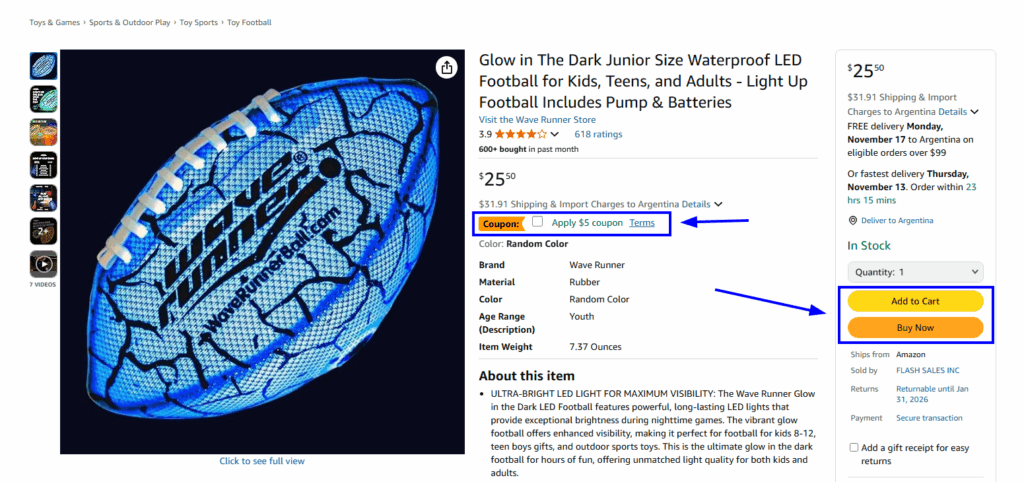
Look at Amazon. The Add to Cart button is easy to see. Product images are clear, and details are right where buyers expect them. Everything guides people toward a quick and easy choice.

Pro Tip: Learn proven design principles that boost conversions in our comprehensive guide on eCommerce CRO audit to identify exactly what’s holding your site back from peak performance.
When your website feels simple and smooth, people stay longer and explore more. That is how good design turns visits into results. It is one of the key outcomes of What is Conversion Rate Optimization and a way to improve conversions.
3. Content & Persuasion
Now, let us talk about what truly helps people decide to buy. It is your content.
Your design grabs attention, but your words build trust both core parts of what is Conversion Rate Optimization done right. The right message, along with social proof, can turn a casual visitor into a loyal customer.
Start with a headline that tells your offer clearly. Keep it short and focused on what your product or service does for your audience. Simple words often have the strongest impact.
People trust what they can see and relate to. Show proof through real stories. Add testimonials, reviews, and success examples. When visitors see others succeed with your product, they start believing they can too.
Use gentle persuasion to guide them toward action. Add small triggers like limited-time offers or only a few left to encourage quick decisions.
Most importantly, write like you are speaking to them. Understand their challenges and show that you have the right solution.
Good content feels honest, clear, and personal. When visitors feel understood, they stay longer and take action with confidence.
4. A/B Testing & Personalization
CRO is never about guessing. It is about testing. A/B testing means creating two versions of a page or an element and seeing which one performs better. You can test headlines, buttons, or layouts to see what your audience responds to most.
Personalization makes it even stronger. It shows different content based on each visitor’s behavior.
For example, new visitors might see a welcome offer. While returning users might see a loyalty message that reflects the eCommerce conversion rate.
Together, they make your website feel personal and relevant. Each small improvement brings you closer to more conversions and happier visitors. This perfectly demonstrates what is conversion rate optimization is in practice.
A/B testing is powerful, but testing randomly wastes time and budget. Strategic testing requires hypothesis-driven experiments based on conversion psychology and user behavior.
Discover actionable test ideas backed by data in our guide on cart page A/B testing ideas for 2025 to systematically improve your most critical conversion point and reduce cart abandonment.
How to Calculate Your Conversion Rate?
Once you understand what is Conversion Rate Optimization, you can measure how effective your website truly is at converting visitors to customers.
The formula is very easy:
Conversion Rate (%) = (Number of Conversions ÷ Total Visitors) × 100
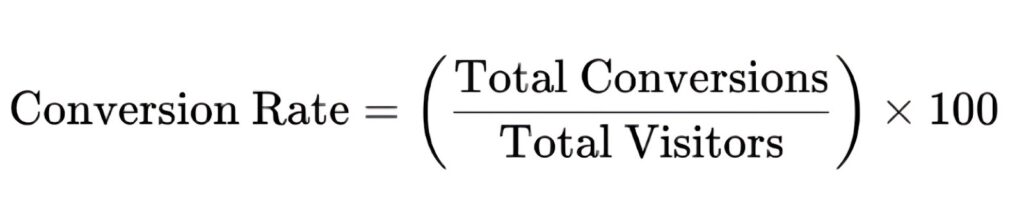
Knowing what is Conversion Rate Optimization helps you realize that your average conversion rate is the percentage of visitors who took meaningful action. Action could be a purchase, a newsletter sign-up, or filling out a form.
For example, if 100 out of 1000 visitors took action, your conversion rate is 10%.
Tracking this number can help you see improvement and progress, as well as better understand how your CRO initiatives are working. In addition, it also reflects what might be improved on the site through your optimization efforts, so visitors become customers.
What Is A Good Conversion Rate?
When studying what is Conversion Rate Optimization, you’ll learn that a good conversion rate usually falls between 2% to 5%. Anything above 5% is considered excellent. However, it depends on several other factors, including industry type, user intent, campaign type, and type of conversion required.
Conversion Rate Optimization Examples
Here are three simple examples of how smart CRO changes drive real results.
1. Amazon: Amazon makes buying feel effortless. The Add to Cart button is bold and easy to spot. The checkout takes seconds. And product suggestions appear just when you are ready to decide. Everything feels simple and smooth. This keeps people shopping without hesitation.
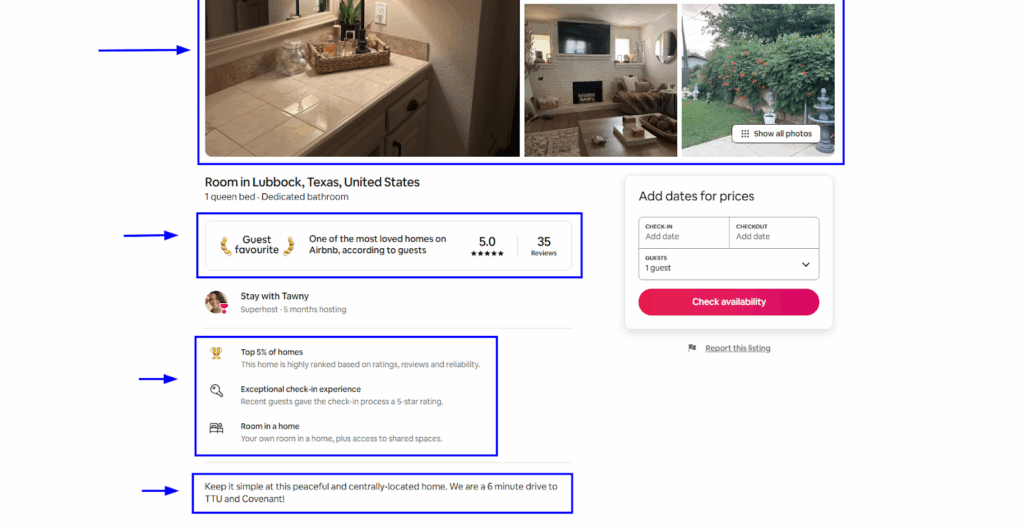
2. Airbnb: Airbnb focuses on building trust. Every listing has clear photos, honest reviews, and easy navigation. You instantly feel safe booking a stay because the platform looks clean and transparent. That trust turns more visitors into paying guests.
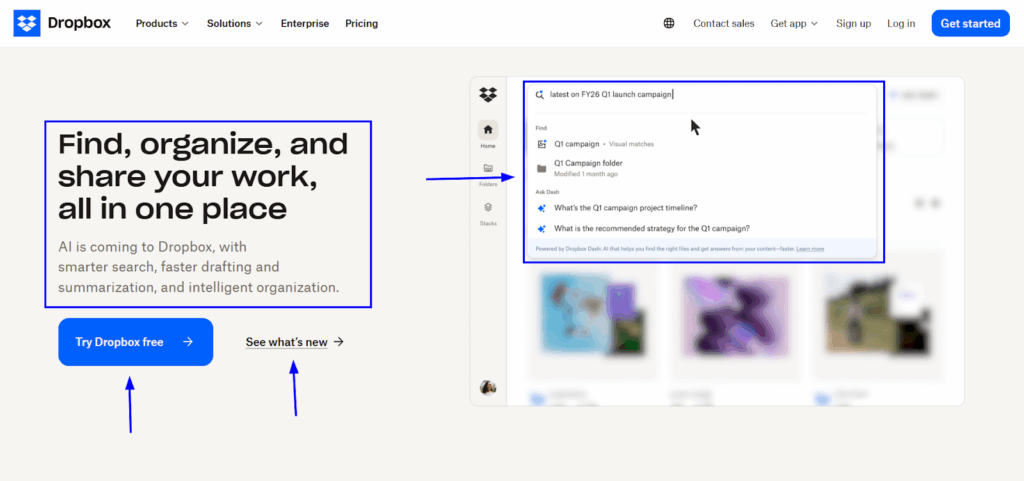
3. Dropbox: Dropbox kept things simple. It used one short headline and a clear call to action. No clutter. No extra steps. Visitors understood what to do right away and felt confident signing up. That simplicity helped Dropbox grow faster in its early days, showing the power of what conversion rate optimization is when done right.
Understanding the CRO Process Step by Step
Improving your conversion rate is not a one-time task. It is a steady process of testing what works and refining over time.
Let us walk through the six simple steps that make CRO truly work for your business!
Step 1. Define Clear Goals and Baseline
First, get clear on what your goal is. It might be to increase sales or more sign-ups through a form. Whatever your goal is, make sure you define it and start measuring it. There are some tools you can use, like Google Analytics or Hotjar, to evaluate the number of people converting at the moment. This gives you a baseline to compare your new approach to when improving and see what is really working.
Step 2. Research and Analyze User Behavior
Before making changes, understand how visitors use your website. Check analytics for traffic sources, bounce rate, and drop-off points. Use heatmap, session recording, or surveys to see where they come from and where they leave. The goal is to find what stops users from converting. Once you know their pain points, you can start fixing the right things.
Step 3. Identify Key Pages and Bottlenecks
Now focus on the pages that matter most to your conversions. It could be your pricing page, sign-up form, or checkout process. If these pages get visitors, but no conversions start there. Check for issues like unclear messaging, slow loading, or long forms. Fixing these issues often delivers faster, bigger wins than changing your entire site.
Step 4. Create a Plan for Improvements
After you know what is not working, it is time to plan your next steps. Start simple. Choose one or two ideas that can bring real results, such as improving your headline, making your CTA stand out, or reducing the number of form fields. Note what you plan to change and what outcome you want to see. Test one thing at a time so you can track what truly works. Staying focused helps you stay clear and see progress that matters.
Planning improvements is critical, but knowing which changes deliver the biggest impact separates good CRO from great CRO.
Pro Tip: Check out our breakdown on average eCommerce conversion rate benchmarks by industry to see how your current performance stacks up and where the biggest opportunities lie for improvement.
Step 5. Test and Measure Results
Now put your ideas to the test to see what works. Test out A/B testing to see which version of a page works best. Test out variations, but one variation at a time. So you can clearly see what made the variation. Allow for enough time on the test to collect the meaning of insights. Testing allows you to make decisions based on fact, not assumptions.
Step 6. Implement and Keep Optimizing
When you know what works best, apply it across your website. Keep checking performance to make sure results stay consistent. But do not stop there. What is Conversion Rate Optimization is never done, it’s about constant testing and improvement. Over time, small changes lead to big growth in conversions.
Benefits of Implementing CRO Strategies
Here are some major benefits of implementing CRO strategies:
1. Increased Revenue and ROI
CRO allows you to extract more value from the traffic you have gotten to your site by applying proven conversion rate optimization best practices. A more efficiently converting website can boost conversions and generate more sales and leads without the need to spend any more of your money on advertising. Even the slightest increase in your conversion rate can mean an increase in revenue potential and return on investment (ROI) over time.
2. Reduced Customer Acquisition Costs
There is always a cost associated with getting new customers. CRO helps you lessen that cost by converting more of your existing traffic into paying customers. The more actions taken, every new customers will be at a lower cost point, allowing you to be more efficient and cost-effective in your marketing.
User experience optimization goes beyond aesthetics. Explore the connection between design and retention in our detailed guide on UI/UX customer retention to turn first-time buyers into lifelong customers through strategic experience design.
3. Enhanced User Experience
Another core aspect of what is conversion rate optimization website is improving how people experience your website. A clean layout, quick load time, and easy navigation help visitors find what they need faster. When visitors can find what they need easily, they feel more confident about your brand and are more likely to convert. A better experience means happier users and stronger results.
4. Higher Customer Retention
Users tend to return to a brand that has provided a good experience. CRO can help you have those moments of positivity that encourage a return visit. When customers can easily find value, they will return consistently, often bringing others along in the process of conversion through recommendation.
5. Increasing Average Order Value and Customer Lifetime Value
Through CRO, you can increase not only the total customers acquired, but you can also grow the value of every customer. By presenting very personalized offers, product recommendations, and bundles, you can encourage people to purchase more. This will lead to a higher average order value while cultivating longer-term customer relationships.
6. Better Return on Marketing Spend
CRO also strives to leverage better results from every marketing effort. Once your site is optimized, the traffic resulting from paid ads, search engine optimization (SEO), and even email marketing campaigns will yield improved results. You are gaining more conversions from conversion optimization and more value from the same marketing investments, all of which help your overall return on marketing investment.
Challenges and Pitfalls to Avoid in CRO
Here are some frequent traps and challenges that all businesses should be cautious of and avoid when applying What is Conversion Rate Optimization:
- Trusting Assumptions Over Data: Unless you want to guess what people want, avoid that approach. Use real data and feedback from actual users to experience the best modifications leading to results.
- Testing Without Objectives: Random testing is a waste of time. If you want to test something, it is always helpful to know what that test is and what you are hoping to learn in return.
- Testing Without Using Enough Data: Quick tests can be deceptive. If you plan on quickly testing something, you will have to plan a large enough test long enough to develop real numbers to trust and follow.
- Overlooking the Mobile User: It is a common belief that most visitors are using their phones today. Make your site load well and flow smoothly regardless of any device.
- Overlooking Micro Conversions and User Journey: Small details are important. Whether a small sign-up or click, keep the user journey in mind and understand where the user bogs down and the gridlock can be.
- Marking CRO as a New Endeavor: CRO is never over. There will always be continual testing and improvements since users, trends, and businesses change.
How We Help Businesses Drive Growth Through CRO?
At Aureate Labs, we help businesses grow by turning website visitors into paying customers.
We analyze how people use your website and find what stops them from taking action. Then we fix those issues with better design, clear content, and smart testing that helps more visitors convert.
Our goal is simple. Help you get more leads and sales from the traffic you already have.
We have over 14 years of experience helping global brands improve their results. You focus on your business while we take care of the strategy and optimization for mobile devices.
Let Aureate Labs help you grow faster. Book your free consultation today.
Conclusion
What is conversion rate optimization is more than just making minor adjustments to some pages. CRO is about understanding your customers, enhancing their journey, and motivating them to take action.
The real strength of CRO comes from executing in the right way. From research and design through testing and ongoing iteration, each touchpoint is crucial when your goal is real growth.
We hope that our guide has demonstrated how CRO can be applied to help turn your website into a high-performing growth engine. Small changes with intent can yield big results when implemented consistently.
Frequently Asked Questions
How do you optimize your CRO?
To optimize your online store for conversions, you need to first understand your users. See how they move through your site and where they leave your site. Address pages that are slow and buttons that are not clear. Test new concepts and adapt from the results. Over time, all these small changes can add up to significant wins.
Is a 30% conversion rate good?
Yes, a 30% conversion rate is very good. Most online stores operate around 2% to 5% conversion rates. Try to improve your conversions, step by step, and do not lose sleep worrying about getting to very high prices. I would rather take a slow and methodical rise in conversion rates than chase a high number.
What is CRO in business?
CRO stands for conversion rate optimization, and it shapes the importance of turning more visitors into customers by improving design and testing. It is one of the smartest ways to grow your business without additional advertising spend.
How much does a CRO audit cost?
A CRO audit for small businesses costs between $1,000 – $5,000. Larger sites or enterprise sites will probably pay between $10,000 – $50,000, depending on scope and goals. Some agencies offer rates on an hourly basis, starting around $100 or $200 an hour.
What is a CRO Checklist?
A CRO checklist is a simple tool to guide you in making improvements on how your website converts visitors to customers. It will generally cover important areas of your conversion rates, like user experience, page speed, and content.






Post a Comment
Got a question? Have a feedback? Please feel free to leave your ideas, opinions, and questions in the comments section of our post! ❤️