

10 Advanced Conversion Rate Optimization (CRO) Techniques

Every time a website visitor visits your website, a quiet decision starts in their mind.
Should I trust this brand, continue, or buy? These are the quiet questions they carry, affecting their overall user engagement.
When you can understand user behavior using visitor data, why people stay, why they leave, and what finally makes them take action, you can guide them with clarity and improve conversions without increasing your traffic.
This is where advanced conversion rate optimization comes in. CRO tools help you understand what your visitors feel when they interact with your brand. It shows you what makes them comfortable, what makes them stop, and enhances your optimization efforts.
No matter how much traffic you bring via ads, the true power of a website is found in how well it converts the visitors you already have.
So, if you are not using advanced conversion rate optimization techniques yet, you have already missed many conversion opportunities. But not anymore!
In this guide, you will learn exactly:
- What Is CRO?
- Why Does It Matter?
- How to Calculate Conversion Rate?
- 10 Advanced CRO Techniques
But first, let us understand what advanced conversion rate optimization is and why it is important for your growth.
Understanding Conversion Rate Optimization
What Is CRO and Why Does It Matter?
CRO, or Conversion Rate Optimization, is the process of increasing the percentage of website visitors who take a desired action, such as making a purchase, signing up for a newsletter, or filling out a form.
When you conduct advanced conversion rate optimization, you will be able to understand how your store visitors experience, feel, and think about your eCommerce store. You’ll know what motivates them to purchase and what’s stopping them.
As soon as you know the gap, you can fix it to create a clearer journey for your user experience.
Overall, advanced conversion rate optimization is shows you where the visitor stops, where their value proposition drops out, and where they hesitate in your optimization efforts. So that you can enhance user experience with conversion optimization tools and make it seamless.
Here are some key reasons why Advanced Conversion Rate Optimization matters:
- Higher Revenue From the Same Traffic: Advanced Conversion Rate Optimization increases the number of people who take action on your site. You earn more from the visitors you already have.
- Lowers Customer Acquisition Costs: When your conversion rate improves, each new customer becomes cheaper. You get better results from the same marketing spend.
- Make Your Website Easier to Use: Information architecture in CRO sorts out confusing steps and fixes friction that interferes with the experience. The less friction visitors experience, the more likely they are to return.
- Builds Trust With Your Visitors: A clean and straightforward journey feels safe. When visitors trust your website, they are more likely to buy or return.
- Increases Revenue Over Time: Small changes in conversion rates create large revenue increases. Often these increase compounds on each other month over month.
- Generates Clear Insights About Customers: Advanced Conversion Rate Optimization removes the guesswork with data showing where visitors are stopping, looking, or engaging with your site. Data leads to better decision-making and better changes to your site.
How to Calculate Conversion Rate?
Calculating your conversion rate is simple.
Here’s a formula: Conversion Rate = (Conversions ÷ Visitors) × 100

You divide the number of conversions by the number of visitors. Then you multiply that result by 100 to get the percentage.
Here is an example:
If your website had 3,000 visitors and 90 people signed up, the calculation looks like this:
(90 ÷ 3,000) × 100 = 3%
Now that you understand the basics of Advanced Conversion Rate Optimization and ecommerce sites, let us explore the advanced techniques that can improve your conversion rate.
10 Best Advanced Conversion Rate Optimization Techniques
Here are 10 Advanced Conversion Rate Optimization techniques that help you fix website issues, improve user experience, and drive revenue growth while increasing conversions. Let’s understand each in detail!
1. Run A/B Tests
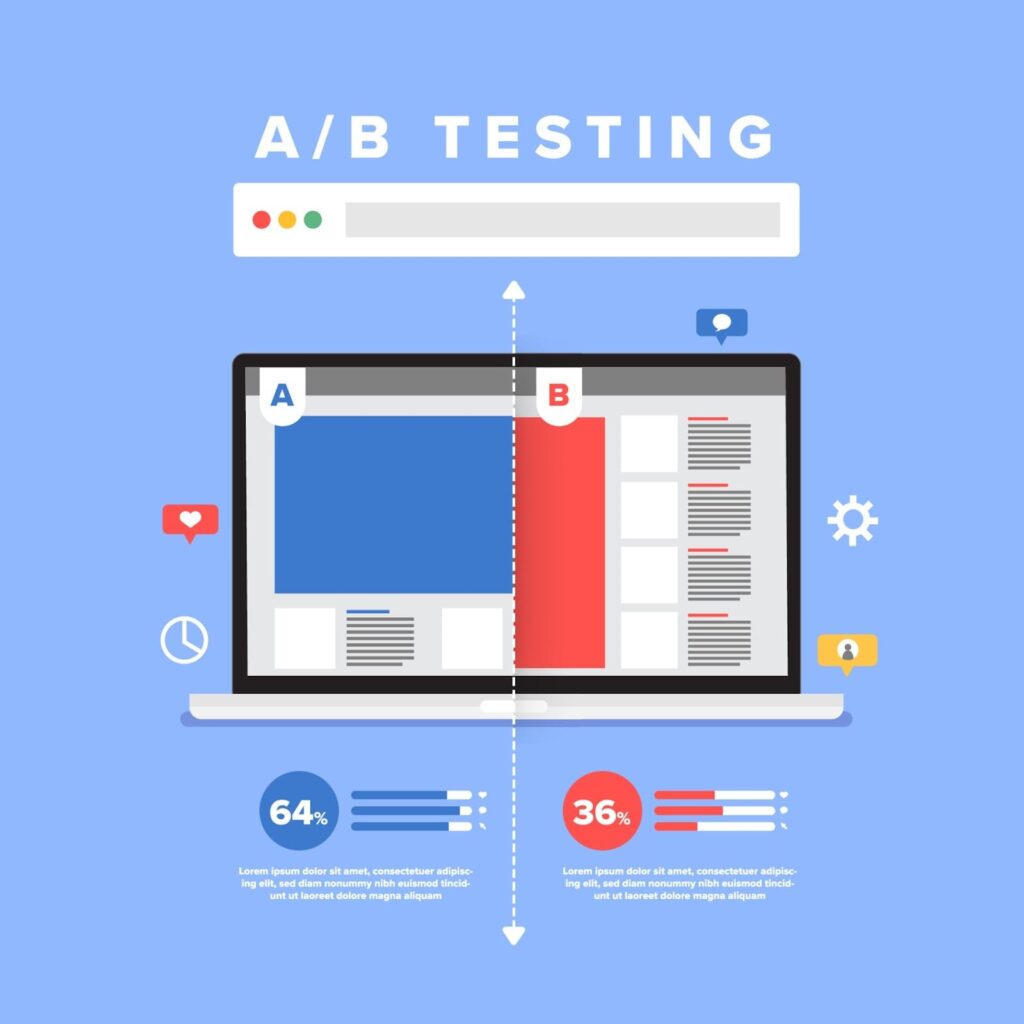
People react differently to the same page. A small change in wording or design can shift how they think and how they act. This is why A/B testing (or split testing) is one of the most effective Advanced Conversion Rate Optimization techniques.
A/B testing compares two versions of the same element. One group of visitors sees version A. Another group sees version B. The version that gets more clicks or conversions becomes the winner.
It works because they use real behavior. No assumptions. No guessing. You learn what people prefer by watching how they act, and expert conversion strategies make those insights far clearer. Even small changes can create a visible improvement in conversions.
Here are some elements worth testing:
- Headlines
- Button text
- Colors
- Product images
- CTA placement
- Page layout
- Pricing display
- Form fields
- Hero section text
- Navigation order
Start with one element at a time. Keep your test simple. Give your visitors enough time so you can collect real results.
Once you know which version performs better, make it your new default and continue your split testing on other areas. These adjustments make the journey easier and increase conversions.
2. Improve Website Speed
Studies show that around 40% of consumers will leave a site if it takes longer than three seconds to load. This certainly shows the importance of a fast loading checkout page as part of your overall user experience.
Brands that do not meet that standard will have their visitors move to other brands that deliver a quicker and smoother experience.
Speed is one of the most significant factors that impact your conversion rate, especially on mobile devices.
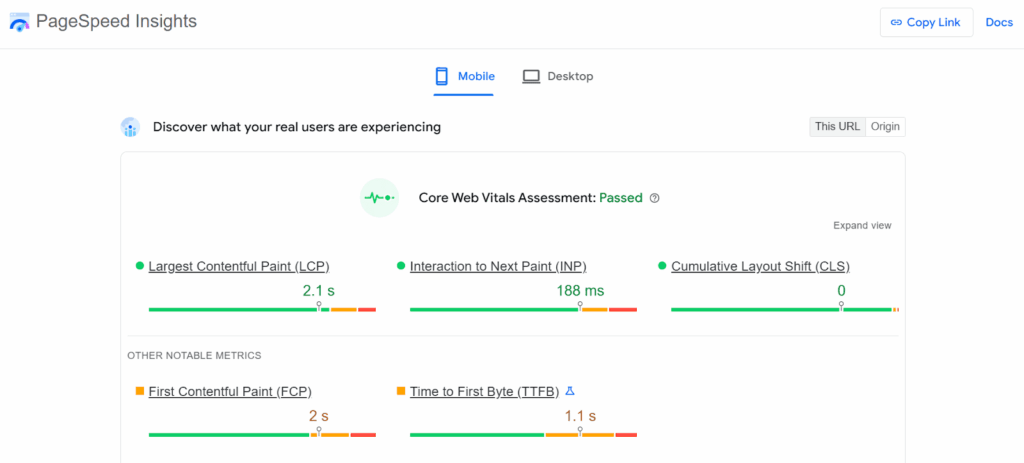
A fast-loading website feels easier to navigate. It helps visitors progress through your webpages smoothly without friction. When everything loads quickly, people tend to stay longer, look at more pages, and feel ready to take the next step.
Website speed also plays a role in your search rankings. A slow site can hurt your SEO performance and your conversions simultaneously.
Here are some ways to improve your website speed, especially for mobile devices :
- Compress large images
- Remove unused scripts
- Use a reliable hosting provider
- Enable browser caching
- Reduce heavy animations
- Clean up old plugins
- Minify CSS and JavaScript
- Use a content delivery network
- Optimize your homepage layout
You can start by checking your current speed. Tools like Lighthouse, PageSpeed Insights, and GTmetrix show what slows your site down. Fix the largest issues first because they create the fastest improvement.
When your pages load instantly, visitors feel the difference and respond with trust and action.
3. Mobile Optimization
Did you know? More than 1.65 billion people are using smartphones for online shopping. If your website isn’t mobile optimized, then you’re losing a huge amount of sales.
A smooth mobile experience has become a basic expectation for online shoppers.
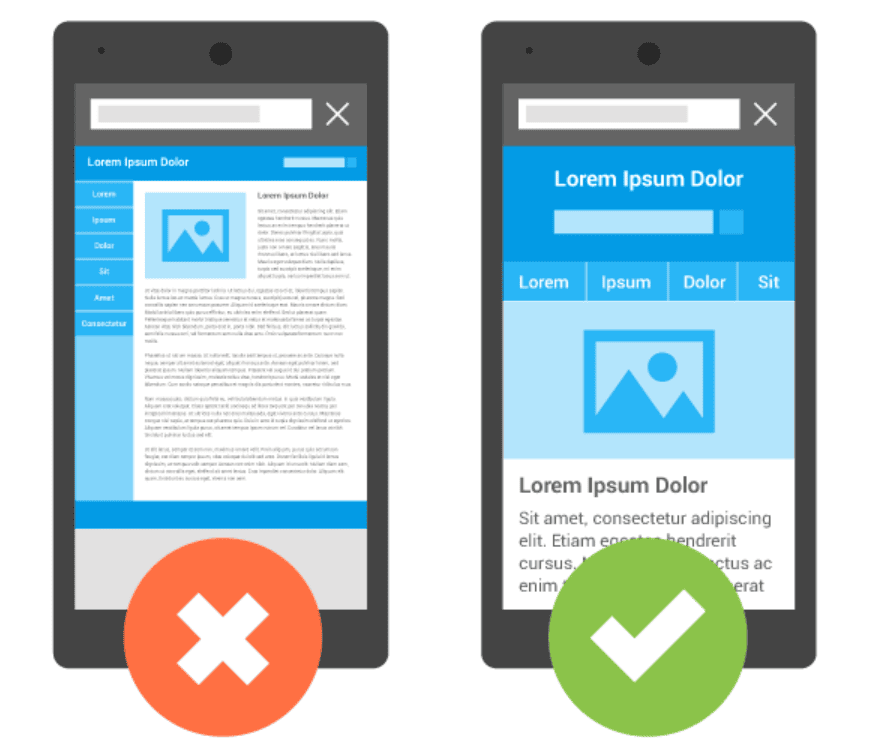
Mobile buyers behave differently from desktop users. They scroll faster, scan content, tap instead of clicking. When a page feels tight, slow, or hard to read, they leave without thinking twice. This directly affects your advanced conversion rate optimization rate and plays a key role in driving conversions.
To make your website mobile-optimized, here are some advanced conversion optimization tips you can consider:
- Make your layout responsive
- Use large and readable text
- Keep buttons easy to tap
- Avoid tiny links
- Reduce pop-ups
- Compress mobile images
- Shorten your forms
- Make navigation simple
- Test every key page on a real device

Pro Tip: Mobile optimization is not an option anymore. It is the foundation of a good user experience. When your ecommerce website feels effortless on a phone, visitors convert without hesitation.
4. Use Live Chat Software
Every website visitor arrives on your website with questions. Some want to know about shipping and compare products. Some are unsure about your return policy.
When these questions go unanswered, they instantly leave, resulting in fewer paying customers.
That’s where live chat comes as a one-stop solution. It gives people instant clarity when they need it most.
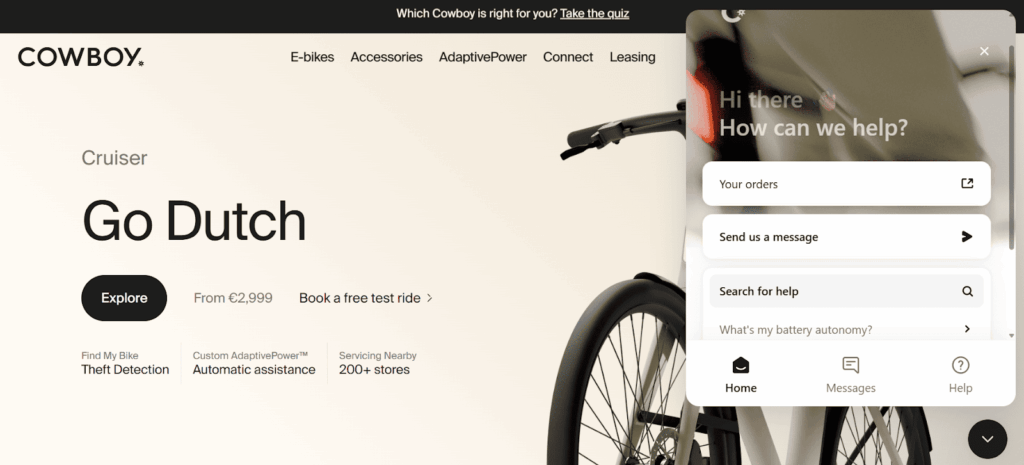
More than 79% of businesses report that tools like live chat boost customers’ loyalty and revenue with a 305% ROI. Now, it’s an essential part of every website.
There are many ways to use live chat:
- Answer questions in real time
- Guide product choices
- Help during checkout
- Share helpful links
- Fix small issues quickly
- Give simple recommendations
- Reassure visitors when they hesitate
Many shoppers also prefer live chat because it feels quick and personal. They do not need to switch pages or wait for an email reply. They get answers in seconds, which keeps them engaged at the point of decision.
In simple words, when people get answers quickly, they feel ready to buy
5. Showcase Trust Signals
Trust plays a big role in whether people buy from you. When visitors feel safe, they continue. When they feel unsure, they leave. This is why strong trust signals are important for your target audience on a website, especially how users interact with them.
Trust signals can be customer reviews, ratings, security badges, trusted payment logos, industry certifications, or testimonials.
Online shoppers look for these signals without even realizing it, as part of the continuous improvement process in their shopping experience.
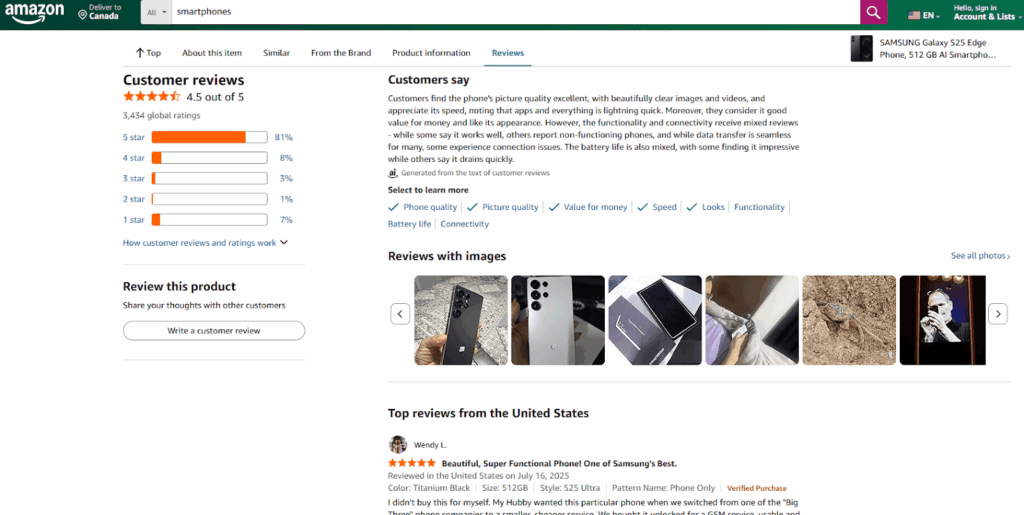
Shoppers check reviews and notice badges. Shoppers look for clear return policies. They pay attention to how transparent you are. When any of these elements are missing, hesitation increases.
These trust signals work to lead to more conversions because they make your website look more credible and give visitors the confidence to continue.
Also, place trust signals near the areas where users make decisions as part of your ongoing process to enhance user experience. Product pages, pricing pages, and checkout are ideal spots. The closer they appear to your call to action, the stronger the advanced conversion rate optimization impact on your site’s user experience.
6. Behavior Analysis
Knowing how users behave on your website is the first real step toward improving conversion.
When you don’t know where visitors stay, where they drop off, or what makes them slow, you are only left with guesses. And guessing will never improve conversion.

Start with the key advanced conversion rate metrics that matter, such as bounce rate, time on pages, and funnel drop-offs. These numbers show how people behave when they are on your site and, more importantly, when they lose interest.
Also use tools such as heat maps, session recordings, scroll maps, and short surveys for advanced conversion rate optimization. These will show what visitors are willing to try, where they are struggling, and what makes them give up. All of these tools help to show you how your visitors experience your website.
When you combine this behavioral data with real user feedback, the issues become clear. You may begin to realize your buttons are hard to see, or that certain sections feel too heavy, or that certain forms take too long to complete.
As soon as those have been found and fixed, the advanced conversion rate optimization will improve organically. A website that feels easier to use is always going to convert at a higher rate and lead to measurable growth.
7. Optimize Checkout Flows
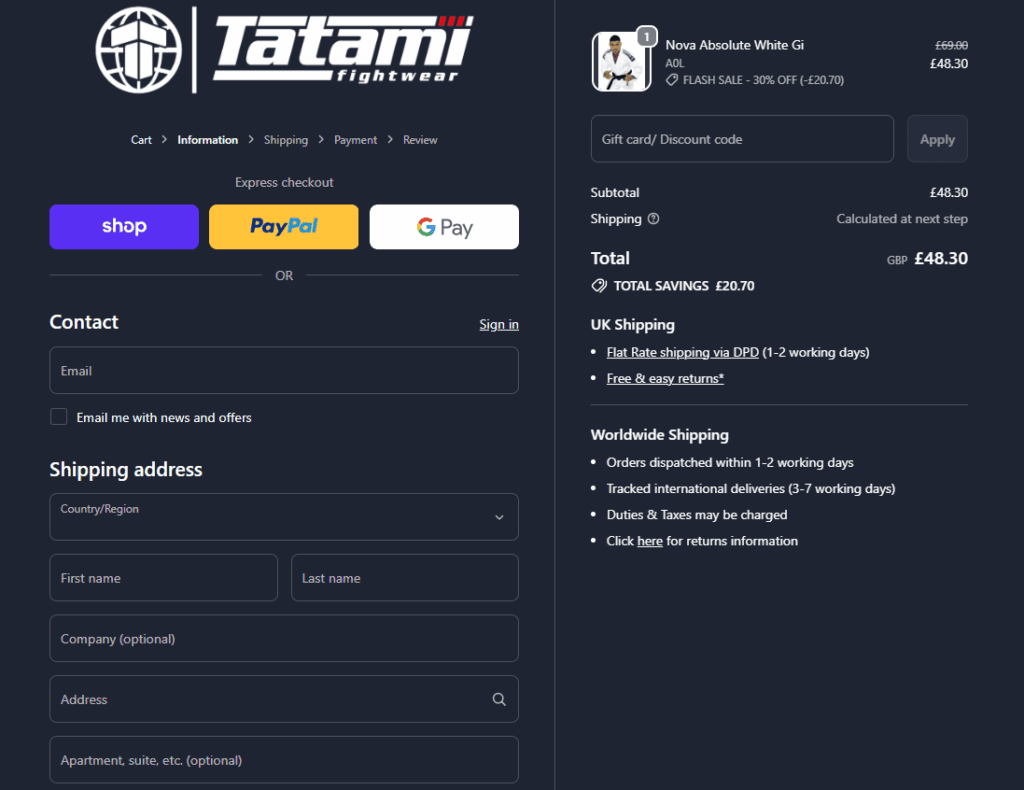
One of the most common barriers to lower conversions is a complex checkout.
The customer has already made the decision to buy. If anything feels slow, unclear, or unnecessary, users abandon the process instantly. So, your job is to optimize your checkout process and make it effortless.
Here are the key advanced conversion rate optimization improvements to optimize your checkout:
- Allow guest checkout
- Keep forms short
- Show full cost early
- Offer multiple payment options
- Display delivery and return info
- Keep checkout fast and focused
- Use simple and clear error messages
Look at your checkout page from a user’s eyes. If something feels unclear or takes too long, simplify it or remove a field that is not needed, remove it. If a button is hard to notice, make it clear by testing multiple variations.
Pro Tip: A clean checkout builds trust and reduce shopping cart abandonment. When the process feels smooth, conversions increase without adding extra traffic.
8. Showcase Social Proof
People rely on the opinions and actions of others when they are unsure. It’s a common principle that every shopper follows knowingly or unknowingly to make buying decisions.
Before shoppers make online purchases, they look for other customers’ reviews, ratings, testimonials, and whether they had a good or bad experience with that product. These are the social proofs that make their final buying decision.
In fact, 92% of customers rely on social proof and don’t buy from a product that does not have customer reviews.

When a visitor sees real reviews, ratings, or testimonials, their buy-in is assured. They have proof of the product’s effectiveness, the service of the organization, and the reliability of the brand. Even one authentic review is enough for users to make a decision.
So if you want users to pull the trigger faster and feel excited about their decision, you need social proofs, aka referrals or customer reviews.
Here are some strong types of social proof you can display for building trust:
- Customer reviews
- Star ratings
- Testimonials
- Case studies
- Before and after results
- User-generated content
- Press mentions
- Trusted partner logos
When people see these proofs, they are more likely to subscribe, make a purchase, or continue exploring your site.
Placement also matters in advanced conversion rate optimization to ensure statistical significance for your target audience. Show reviews near product details. Add testimonials near pricing. Place ratings at the top of product pages. Add trust badges and real customer experiences in your checkout flow.
The closer social proof appears to a decision point, the stronger its impact.
Social proof works because it reduces risk. When visitors see that real people trust you, they feel confident taking the next step.
9. Optimize Landing Pages
A landing page can make or break your advanced conversion rate optimization.
When it is clear, focused, and easy to understand, conversions rise quickly.
A landing page has one purpose: To guide visitors toward a single action, and using effective psychological pricing strategies can strengthen that motivation.
It could be signing up, downloading a resource, or buying a product. Your goal is to remove every distraction and make that action feel simple and obvious.
Start with a strong headline for advanced conversion rate optimization. It should tell visitors exactly what you offer and why it matters. Follow it with a short description that explains the benefit in plain words. People should understand your value within a few seconds.
Here are a few essentials that help optimize your product page:
- Clear headline
- Short description
- Helpful visual
- Strong call to action
- Clean, simple layout
- Social proof when needed
When your web pages, especially the landing page, remove confusion and highlight value instantly, visitors feel confident. And confident visitors convert.
10. Funnel Analysis

If you’re having a low conversion rate, then it’s time to analyze your conversion funnels.
This way, you can see how visitors move through your entire website.
Track each step of the web page journey so you can see where people continue and where they drop off.
A high drop off on one step means something is confusing. A sudden exit means something is missing. A long pause means users are unsure. When you understand these patterns, you know exactly where to improve.
This helps you spot the exact points where users get stuck and fix them quickly.
Here are a few things advanced conversion rate optimization funnel analysis helps you uncover:
- Pages where people lose interest
- Steps that feel too long
- Forms that cause friction
- Buttons that are hard to find
- Sections that feel unclear
- Moments where users need more trust
Once you know where users stop, you can fix those exact points. You might simplify a page, improve a message, shorten a form, or add social proof through user testing. Each improvement helps more visitors move forward.
Pro Tip: Using GA4 for funnel analysis helps understand user flow on your website better as it shows you what is working and what is blocking conversions.
When every step of your funnel is smooth, your entire customer journey becomes stronger.
How Aureate Labs Can Help Improve Your CRO Efforts?
Most websites don’t need more traffic. They need advanced conversion rate optimization results from the traffic they already have.
At Aureate Labs, we study how your visitors behave. Our specialists look at where they pause, where they drop off, and where they feel unsure. Then we remove every friction point with data-backed improvements that make the journey smooth and simple.
With 14+ years of experience, we have helped global brands improve conversions across landing pages, product pages, checkout flows, and user journey funnels. Our work combines analytics, UX design, and conversion psychology to create experiences that feel easy for users and effective for your business.
Now, we’re ready to help you do the same.
Contact Aureate Labs and start improving your conversions with a smarter CRO strategy.
Conclusion
If your current conversion rate isn’t where you want it to be, do not worry. What matters is taking the next step. When you apply the Advanced Conversion Rate Optimization techniques, every page view works in your favor. Even small, thoughtful optimizations, especially smart CRO growth hacks, can create meaningful growth over time.
We hope this guide gives you the clarity you need to understand how Advanced Conversion Rate Optimization techniques work and how they can help your business grow faster. The real key is focusing on your users. When their journey feels smooth, clear, and effortless, conversions follow naturally.
And if you want expert help, Aureate Labs is here to support you. We study how your visitors behave, remove the friction that slows them down, and design experiences that guide them toward the action you want.
You already have the traffic. Now it is time to make every visit count.
Book your free consultation today to find strategies for achieving maximum conversions, and let’s improve your conversions together.
FAQs
1. What does CRO stand for, and what does it mean in marketing?
CRO means Conversion Rate Optimization in digital marketing, where you can test multiple variables simultaneously to improve your results. It is the process of improving your website so that more visitors take action. This action can be buying, signing up, or filling out a form. Advanced Conversion Rate Optimization helps you get better results from the traffic you already have.
2. What is a good conversion rate? Is 30 percent considered good?
Most websites convert only two to five percent of visitors, which is below the average conversion rate. So 30% is an excellent conversion rate. Anything above ten percent is already very strong and shows your message matches what users want.
3. How do I start optimizing my website for CRO?
Start by learning how people use your site. See where they stop. See which pages they leave. Then improve simple things like page speed, clarity, and layout. Test every change. Keep what works and remove what does not.
4. What are the most effective CRO strategies?
Advanced Conversion Rate Optimization strategies include using social proof, making pages load fast, improving mobile experience, and simplifying checkout. Testing headlines and watching user behavior also helps. These steps make the journey easier and increase conversions.
5. How can I learn CRO and improve my skills?
You can learn Advanced Conversion Rate Optimization by testing ideas on your own website. Watch recordings. Read case studies. Study what high-converting websites do. You improve faster when you learn from real examples. Working with CRO experts can also guide you in the right direction.
6. What is included in a CRO audit, and do I really need one?
A CRO audit checks your full user journey. It reviews page speed, mobile layout, trust signals, content clarity, and funnel drop-offs. You need a CRO audit if your site gets visitors but not enough conversions. Using tools like Google Analytics and search engine optimization strategies, you can identify what blocks users and how to fix them.






Post a Comment
Got a question? Have a feedback? Please feel free to leave your ideas, opinions, and questions in the comments section of our post! ❤️